
Science & Lipstick

89d4a73bf79365422f2b044f6e131b36It’s the stories that draw my attention to the science and health sections of the New York Times.

But what caught my eye this week was a full-page advertisement.

The French cosmetics company L’Oréal honors women scientists and the ad reads:

Science Needs Women. Continue reading

Posted in authenticity, framing, journalism, science, science communication, Uncategorized, writing | Tagged , , , | 1 Comment

Coffee

coffee USEI love the science section published each Tuesday in the New York Times.

And I hate it, too.

A delicious story emerged this week about folks who live on the island of Ikaria, off the mainland of Greece.

Continue reading

Posted in framing, journalism, science, science communication, writing | Tagged , , , | Leave a comment

Congress Takes Anti-Science Stance

uncle samThis week Congress approved the budget bill that funds science research while axing dollars for social science.

Specifically political science.

The news is heart-breaking for those of us who work on the softer side of science.

It’s dumbfounding that anyone would fail to see that science is political. Or, at least, how we interpret, apply and execute science has political bends and bents. Continue reading

Posted in journalism, Native Science, science, science communication, writing | Tagged , , | 6 Comments

Nibbled to Death by Ducks

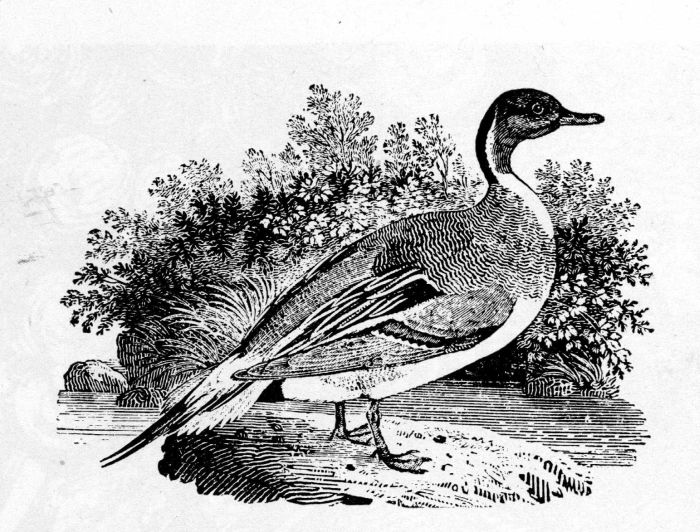
duckOne of my colleagues said working in university administration is like being nibbled to death by ducks.

And this week a world leader said if you’re popular in your job, you’re probably not doing a good job.

Result: some poor wretch pecked to death and unpopular to boot is managing an office somewhere. Continue reading

Posted in health, journalism, Native Science, science, science communication | Tagged , | 2 Comments

Science Ethics Redux

DNA

DNA

Henrietta Lacks is back in the news.

Lacks’ story captured headlines after Rebecca Skloot’s 2010 book revealed the dying mother had her cells removed for science—without her permission.

Doctors at Johns Hopkins hospital had tried unsuccessfully to keep alive human cells once they left the body. Continue reading

Posted in ethics, health, human origin, journalism, science, science communication, social media, writing | Tagged , , | Leave a comment

Spam, Spam Spam

golden_honey_spam_tnI am as well cheerful to share my familiarity.

That’s what the message says.

When I created my blog the designer—Melissa Shavlik—set up the communication so I would hear from readers. Continue reading

Posted in authenticity, social media, writing | Tagged | 2 Comments

Maggots for Medicine

Fruit fly larvae

Fruit fly larvae

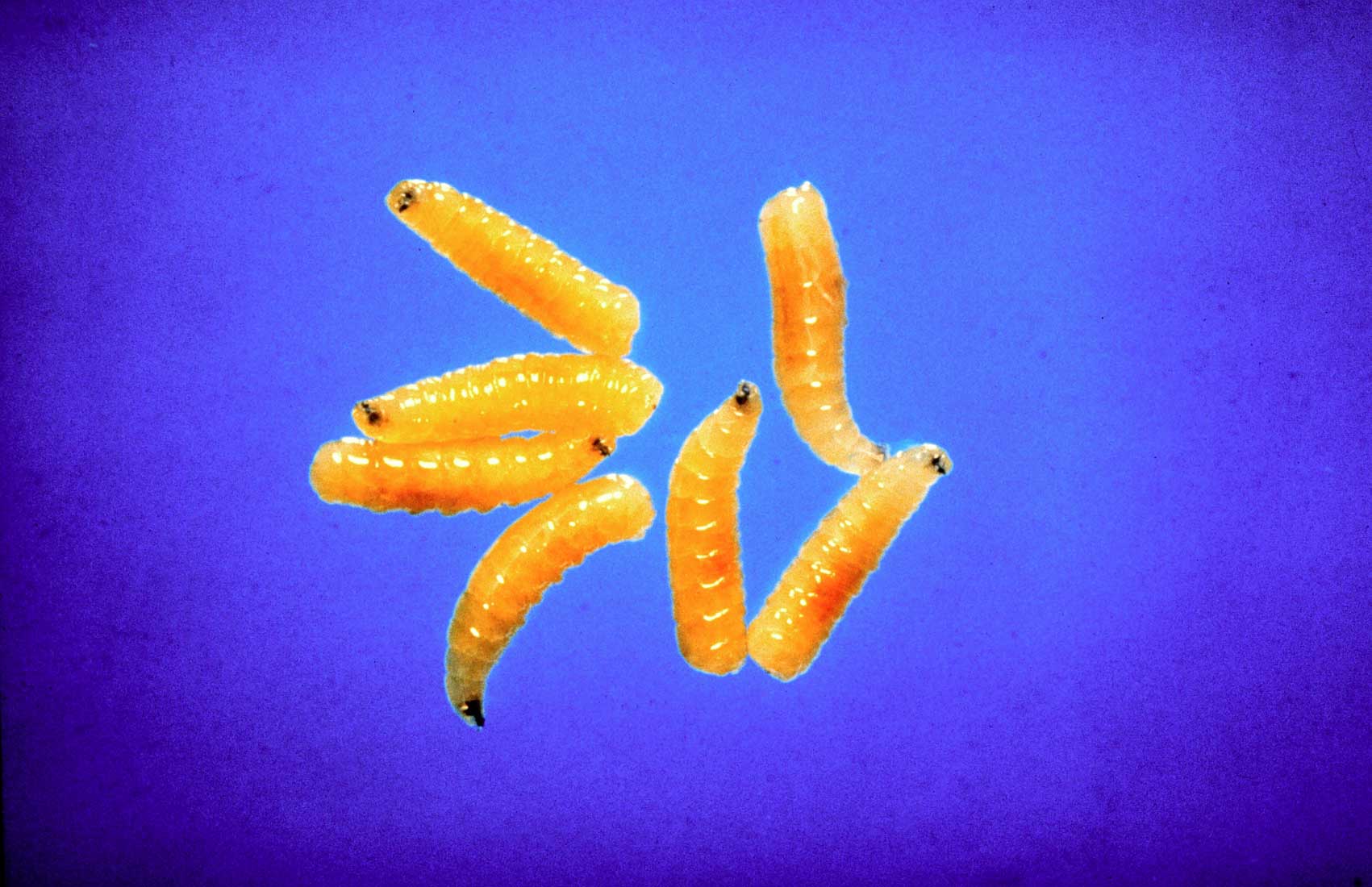
Maggots—the offspring of flies—are making their way to the modern medicine chest, according to this month’s Scientific American.

The wee young of flies—larvae—munch on dead skin, cleaning bacteria from wounds.

Science writer Carrie Arnold notes the FDA approved medical use of maggots in 2004, in part because some antibiotics have lost efficacy as drug-resistant strains of bacteria populate communities. Continue reading

Posted in framing, Indian, Native Science, science communication | Tagged | Leave a comment

Going Viral

Virus

Virus

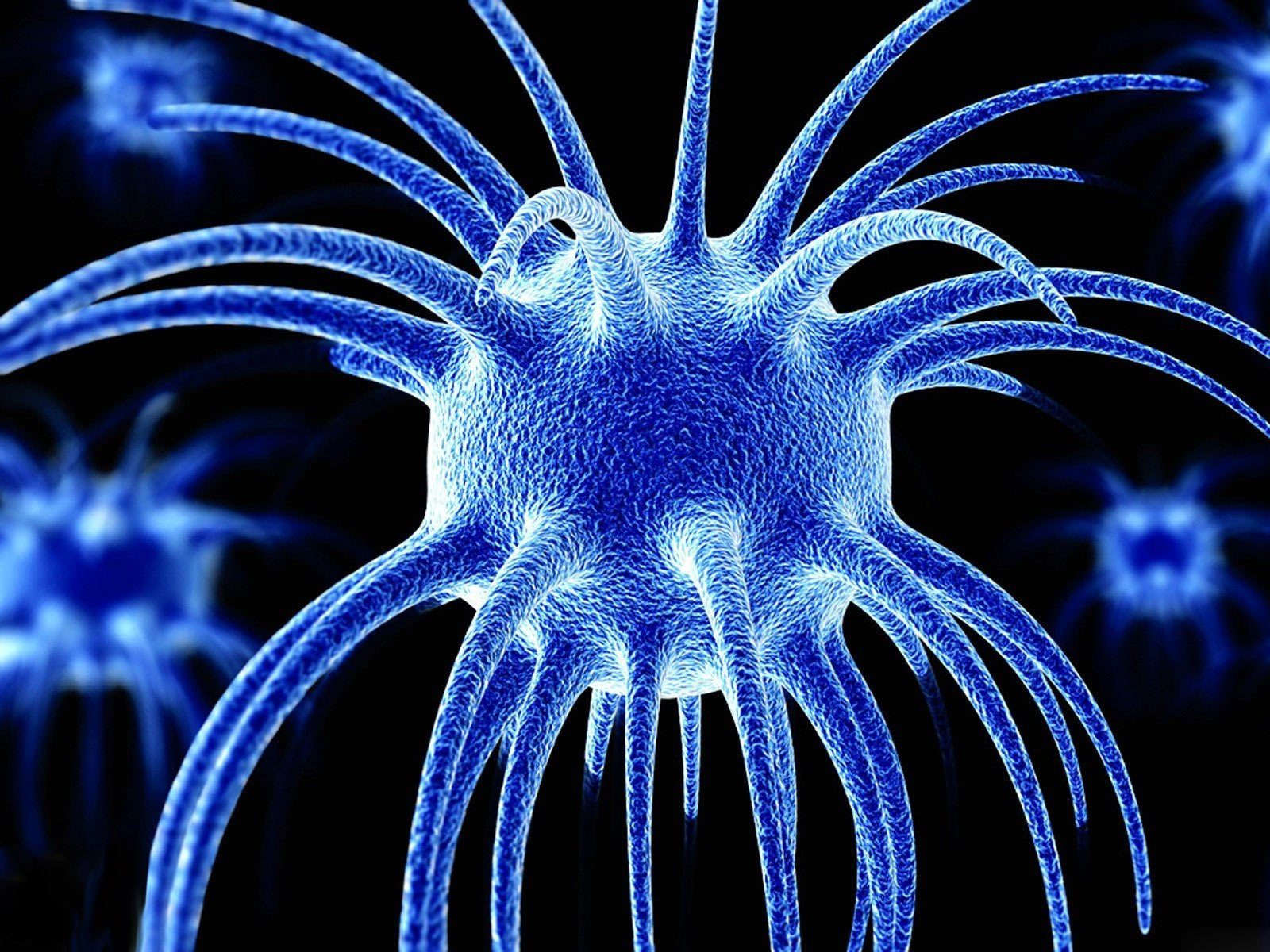
Interesting how our language has changed.

Today going viral is a good thing.

But imagine 30 years ago when a strange virus struck gay men in cities like San Francisco. Going viral meant something frightening. Continue reading

Posted in framing, journalism, Native Science, neuroscience, news bias, science, science communication, social media, writing | Tagged , , , | Leave a comment

I Can’t Understand Your Story

Medicine tells a story

Medicine tells a story

Telling your story has always been important.

Imagine your elders camped by a fire telling stories.

Indian Country holds stories dear. Continue reading

Posted in american indian, framing, Native Science, science, science communication, social media, writing | Tagged | 2 Comments

Making Memories

A shop for memories

A shop for memories

Exploring how we invent stories—and then stick to them—confounds journalists and scientists alike: how can we separate fictions from fact?

I am keenly interested in how we make decisions—especially decisions built on information we gather from media that affect how we think about health and science.

Such information is the foundation for memory.

A story from National Public Radio today explores how memories may not be what we think. Continue reading

Posted in authenticity, framing, health, Indian, journalism, neuroscience, science, science communication, writing | Tagged , , , , | Leave a comment