Tobacco as medicine

Nicotania

Nicotania

When I opened the envelope I found another envelope tucked inside, filled with tiny specks like dark grains of sand.

They were carefully bundled in cellophane because one gust would cast them to the wind.

I opened the packet and gently placed the seeds on top of the soil, then covered the seeds with a little more dirt and placed the small pots on the window sill.

And waited. Continue reading

Posted in american indian, native american, Native Science | Tagged , , , , | 3 Comments

Who will be the watchdog?

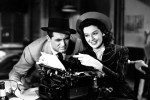
Reporters in the 1940 film, His Girl Friday

Reporters in the 1940 film, His Girl Friday

My guilty pleasure is rejoicing in investigative journalism.

What a pity the pleasure isn’t the venerable New York Times or 60 Minutes.

It’s Newsroom: a scripted, created—invented–story of journalism that airs on cable but I have to wait until it arrives on DVD, months later.

What West Wing did for our lay sense of politics, Newsroom does to our sense of, say, Woodward and Bernstein’s Watergate, with the potential for revealing political cover-ups and hidden corporate agendas.

Problem is the TV show is fictionalized reality, with the pages swiped from the actual news and then reassembled for viewing audiences.

And only Aaron Sorkin writes like a young David Mamet–no one really sounds as glib as a Sorkin creation.

When I arrived on journalism’s doorstep in the 1970s I wanted to be an investigative reporter.

I believed news truly is the watchdog of government and business. Although my career path shifted—I became a professor instead—I never stopped believing in the cause.

But who will be the watchdogs now that investigative journalism is dying?

News was at its best when a city had two competing daily newspapers, according to journalism researchers.

The pressure to out-report your competitor made reporters strive for the best story and the best photograph.

Despite the inevitable gossip tripe and sensational stories, newspapers did a better job jabbing at the ribs of government than they do today.

So powerful were newspapers at forging social change that the Pulitzer Prize became a badge of honor when journalists uncovered such atrocities as poisons in products from China, abuse of mentally ill patients in state facilities and coverage of school shootings.

And now the flagship paper in Oregon has made its deepest cuts ever, slashing 90 more jobs and cutting back on home delivery to just 4 days a week.

The Oregonian, a Pulitzer Prize-winning paper, is replacing seasoned journalists with freshly minted multi-media “talents” for their digital product.

My question is: who will be the future watchdogs?

The “talents” sought by The Oregonian are heavily weighted on skills in social media and the web.

Journalism experience is preferred, but not required.

“If you can show us some writing samples that have the wow factor, we want to hear from you!,” exclaims the advertisement.

Wow factor?

I may weep.

[Photo of Cary Grant and Rosalind Russell in His Girl Friday, a remake of The Front Page, a 1928 play about reporters.]
Posted in authenticity, cinema, ethics, film, framing, His Girl Friday, journalism, news bias, Portland, Pulitzer, Rosalind Rusell, social media, writing | Tagged , , | Leave a comment

Listen to healing

candelsI listened to the medicine men talk about the power of self-persuasion.

They agreed that focusing on bad health can sometimes lead to bad health.

Your attitude can make a difference and you can set yourself up to indulge in a self-fulfilling prophecy. Continue reading

Posted in american indian, authenticity, ethics, health, Indian, Lakota, native american, Native Science, neuroscience, science, science communication | Tagged , , , , , | Leave a comment

OK: Hokahey

logo_HH_1293816712_1294924057The most prominent misunderstanding about native people living in North America is that we are all the same.

Truth is, life at Rosebud is different from life at Gallup.

We visited relatives in June in South Dakota, where we attended Sundance, shared meals with family and told stories of growing up. Continue reading

Posted in american indian, authenticity, human origin, Indian, Lakota, native american, Native Science, writing | Tagged , , | 2 Comments

Advising the Class of 2013

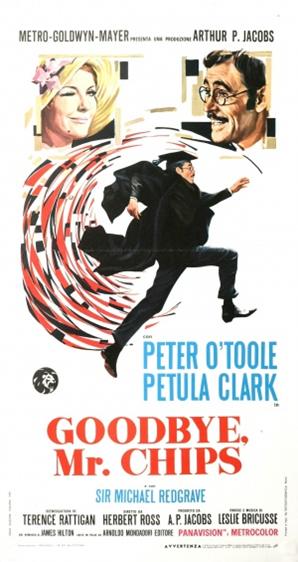
chips postrMy advice to the Class of 2013 would go something like this:

Be nimble.

Life throws you curves and the measure of a person is how she maneuvers the curves.

On Sunday I packed my graduation regalia into my bicycle pannier and pedaled to the city’s largest indoor venue.

I imagined myself like the beloved Mr. Chips, the teacher in James Hilton’s 1934 book and the Peter O’Toole movie, wearing his educator’s regalia and biking to class.

Suddenly my bike chain slipped. Gears froze. Continue reading

Posted in journalism, writing | Tagged , , , , , | Leave a comment

May your gander be proper

tshirt jepMy propaganda students presented final projects in class yesterday, showing how propaganda can be subtle or overt.

And always present.

Students sliced through the veneer of million dollar campaigns that convince you to drink milk, vote Republican, quit smoking and spay your dog.

Most illuminating is the propaganda that appears to be proper. Continue reading

Posted in american indian, authenticity, ethics, film, framing, Indian, manifest destiny, milk campaign, native american, Native Science, news bias, Roosevelt, science, science communication, writing | Tagged , , , , , | Leave a comment

Curb that Testosterone

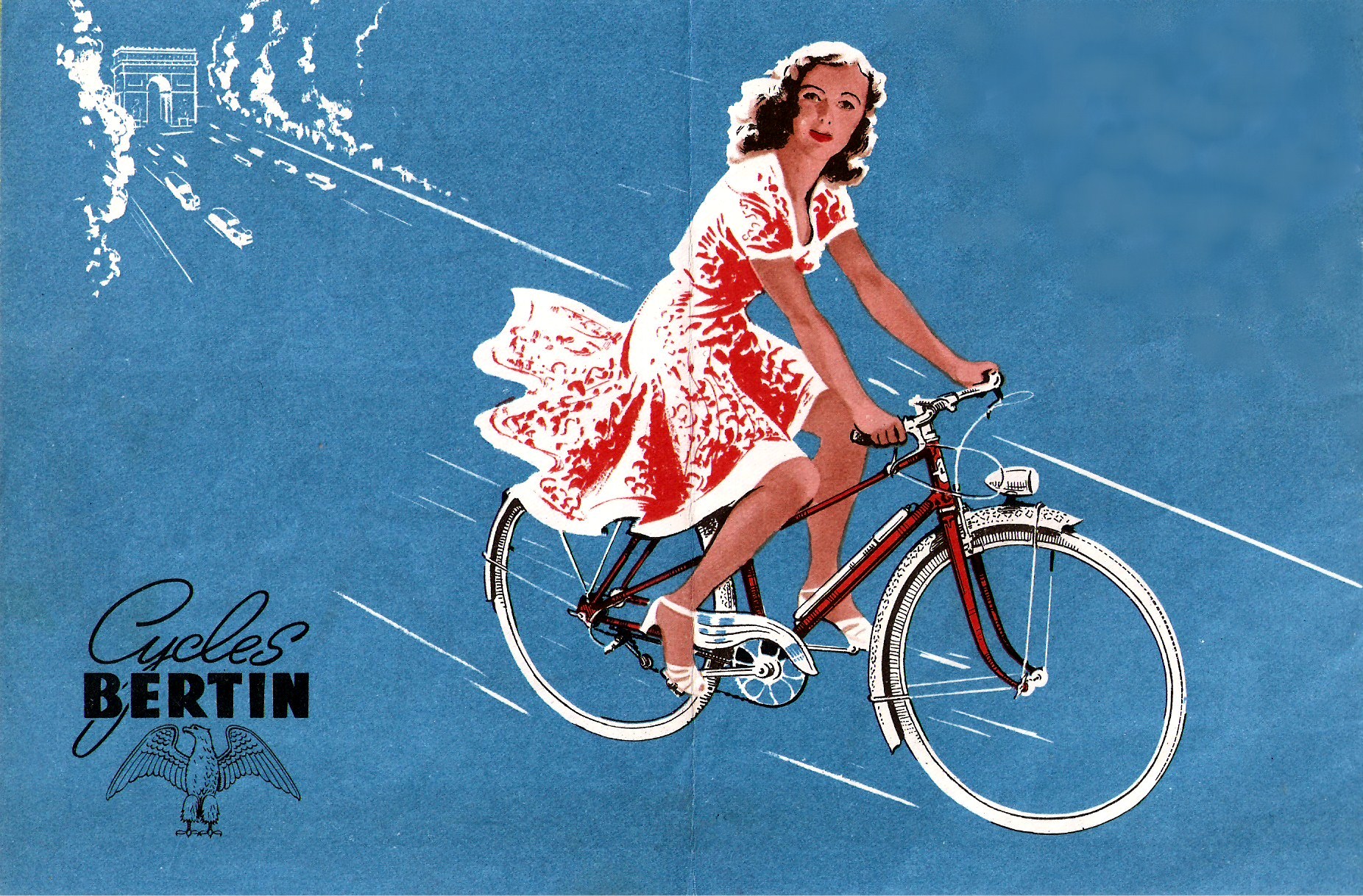
bertin-female-cyclist-2-1950s1My hypothesis is that biking builds testosterone.

Or is it watching killers on TV?

One indication is the jerky behavior of the blokes who pass without warning.

I reckon one false move and we’d crash. Continue reading

Posted in authenticity, biking, journalism, native american, Native Science, Portland, writing | Tagged , , | 5 Comments

Media Research: Think Again

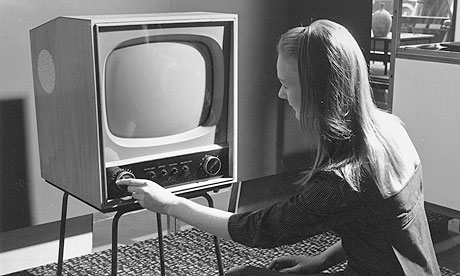
1950s-television-set-006We may need to re-think how media affect our attitudes and behavior.

The foundation for media theories assumes people use information in predictable ways: we watch television during prime time and search the web to learn how to bake a pie.

Some findings are based on the sheer time people engage in television while other scientists show kids violent programs and then test whether their responses are violent in turn. Continue reading

Posted in ethics, film, framing, journalism, science, social media, writing | Tagged , , , , , , | Leave a comment

Media Bugs

M.C. Escher

M.C. Escher

If you study the history of broadcast media effects you’ll find lay publics over-estimate the impact of new technology.

Viewers once thought:

Film talkies would forever change democracy.

Telephones would invade privacy. Continue reading

Posted in journalism, Native Science, science, science communication | Tagged , , , , | 2 Comments

Beauty as Propaganda

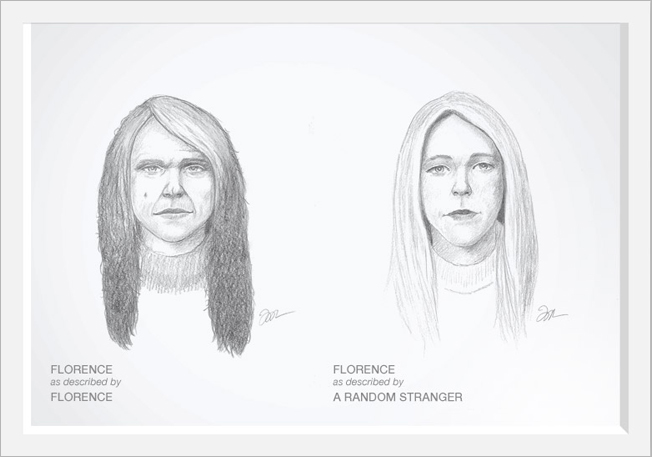
Dove's real beauty campaign

Dove’s real beauty campaign

As Thursday approaches my excitement grows: I have the honor to teach a course in propaganda alongside my usual menu of theory and research classes.

We juicily extract the essences of meaning from campaigns intended to sway your thoughts, part you from your cash, and cream your body with potions.

Yesterday we discussed a marketing campaign that has captured the attention of writers from The Wall Street Journal to The Huffington Post, plus a boatload of bloggers, who wax on mightily about beauty. And propaganda. Continue reading

Posted in framing, science, science communication, writing | Tagged , , | 7 Comments