Remembering What We Forgot

The photo from the February 1939 issue of National Geographic was repurposed as a postcard: a rare example of Native history that features fishers at Celilo Falls. Credit: Three Lions, Inc. (A US photo agency), copyright expired.
Although it is has been just days since I published my last blog about writing postcards—and my discovery that many North American communities ignore their tribal histories in favor of settlerhood—readers responded so favorably that I’m digging in again.
Just cannot shake off the power of postcards.
I remembered my mother writing cards during our years abroad and I took up the mantle, mailing picture-cards from Hong Kong, British Columbia, Sri Lanka, Jordan, Paris, Washington DC, Rome, India…anywhere I could send a short message with a photo.
Yet, when looking for postcards in the US about local Indigenous histories, I’ve had no luck finding memories on cards about the people who lived here since “Time Immemorial.”
I started making my own creations reflecting Indigenous homelands —postcards and greeting cards—after learning more about the areas where I visit family and friends, or where I attend meetings for business.
Recently I researched where the Clatskanie and Chinook peoples lived (at the junction of the Columbia River) because the Buddhist Temple where I often visit sits five miles from the city of Clatskanie.
I learned that Indigenous communities lived there for what scientists have estimated as 8,000 years—and most likely—thousands of years longer.
As I added finishing touches to the postcard I recalled news coverage surrounding the unearthing in the Columbia River of an ancient skeleton named “Kennewick Man”—many miles upriver from the Monastery—28 years ago this summer.
When the Indigenous relative was dredged from the River, anthropologists estimated he lived 9,000 years ago.
Local tribes tangled with scientists over the ethics involved with studying human remains.
Indigenous peoples asked for the return of the denizen, while a group of scientists sued to study the bones.
After a long, legal battle, a judge gave scientists access to the skeleton, and they concluded that Kennewick Man’s “closest living relatives appear to be the Moriori people of the Chatham Islands, a remote archipelago 420 miles southeast of New Zealand, as well as the mysterious Ainu people of Japan.”
Not long after the scientists published their findings in book-form, a team of geneticists linked the skeleton’s DNA with members of the Confederated Tribes of the Colville Reservation, who live in the Pacific Northwest.
The genetic link put to rest mistaken beliefs that the skeleton was not native to North America, and his remains were returned to a delegation of tribal peoples.
After studying news coverage of the skeleton’s fate for early three decades I learned that history matters, and that context matters.
When we communicate our present, we reflect our past.
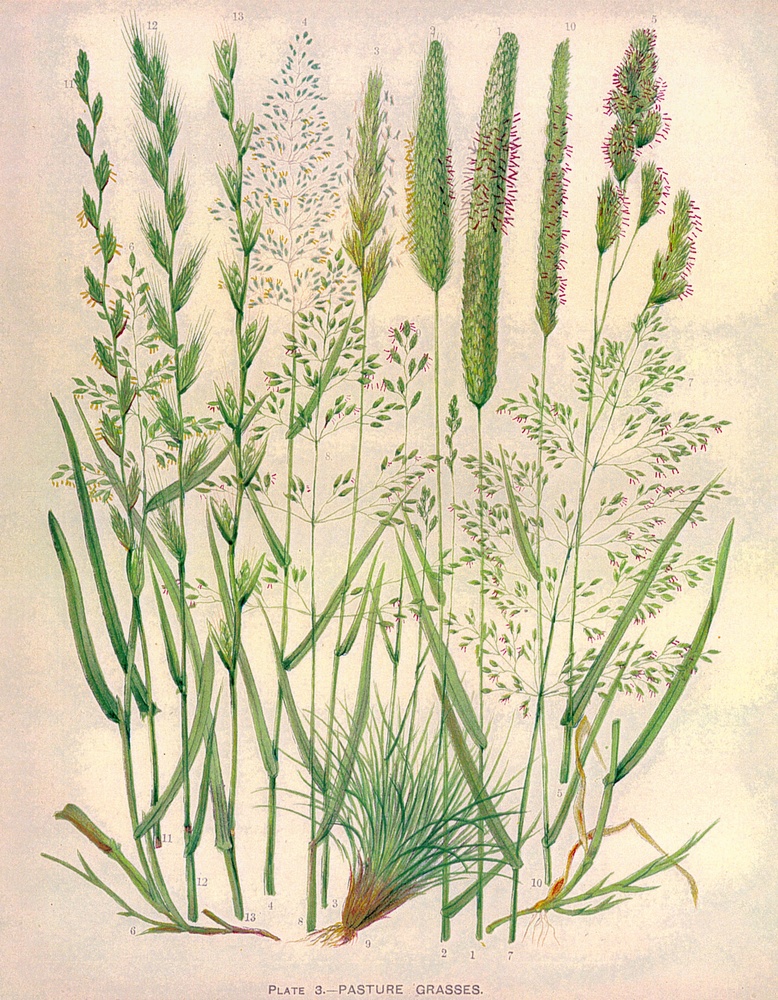
Credit: Woods, R. H.“ Plate 163 (Illustration of Pasture Grass).” Special Collections, USDA National Agricultural Library.
In her book, Braiding Sweetgrass, Robin Kimmerer (Potawatomi), joins the present with the past:
‘Breathe in [the scent of sweetgrass] and you start to remember things you didn’t know you’d forgotten. Our elders say that ceremonies are the way we “remember to remember,” and so sweetgrass is a powerful ceremonial plant cherished by many Indigenous nations.’
Writing postcards is my way to remember not to forget. ###

My book weaves the past with modern policies that affect Native American communities.
###

#chinook
#clatskanie
#clatskanieriver
#celilofalls
#columbiariver
#cynthiacoleman
#greatvowmonastry
#indigenouswaysofknowing
#landacknowledgements
#nativeamericans
#nativepress
#nativescience
#nativewaysofknowing
#oregonnatives
#osage
#postcards
#robinkimmerer
#braidingsweetgrass
#sweetgrass


 Cynthia (Ištá Tȟó Tȟó) Coleman Emery's Blog
Our family had a shared scaffold at Celilo. It’s on the north side of Chief’s Island. You had to climb down a ladder to get to it. This postcard may have captured our site which I intend to claim as soon as the Dalles dam fails. Best to you and yours CCE☮️
LikeLike
Thanks so much for this: the history of Celilo Falls is haunting.
LikeLike
I think you mean Braiding Sweetgrass (instead of Braided Wisdom) in your Postcards Redux post.
LikeLike