The Inner Voice of Optimism

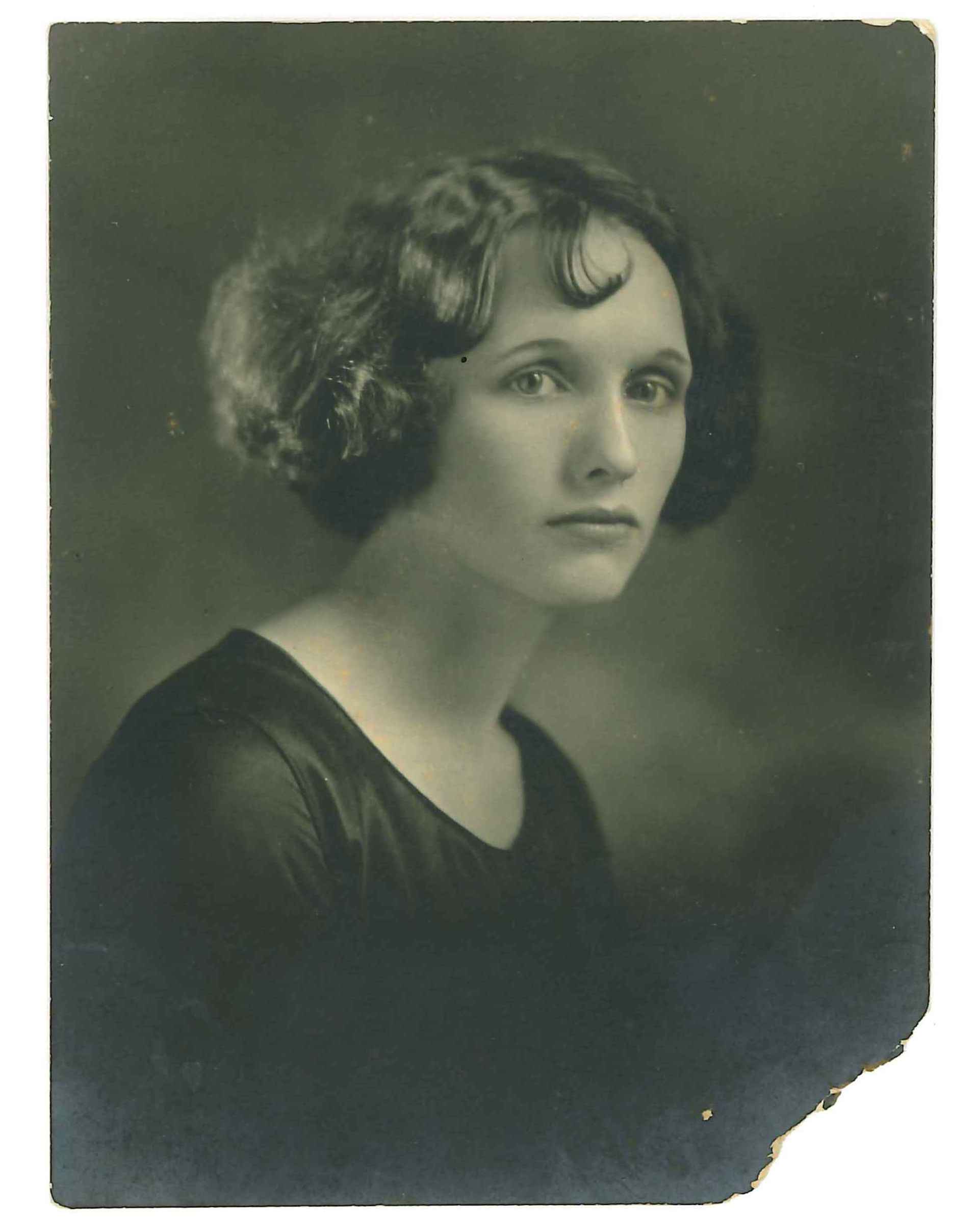
My Ecko, Mary Grove Barnes

My Ecko, Mary Grove Barnes

What was life like for our ancestors 100 years ago?

That’s about three generations—from my grandmother to me. In many ways Ecko’s life was simpler with no cell phones and freeways.

But it was also tough, thanks to tuberculosis and swindlers ready to make a deal on Indian land.

Still, Ecko was an optimist. She liked a good story and a swig of spirits. She saw the best in people and soft-pedalled criticism.

As humans we’re pretty self-critical. Continue reading

Posted in authenticity, Indian, Native Science | Tagged , , , | Leave a comment

Authenticity

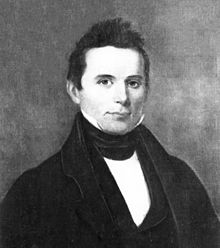
Elias Boudinot (Gallegina Uwati) was editor of the Cherokee Phoenix, the first American Indian newspaper

Elias Boudinot (Gallegina Uwati) was editor of the Cherokee Phoenix, the first American Indian newspaper. He believed settler hegemony was inevitable

One of my students has been researching authenticity and reported in class that the group that wears the authenticity veil defines what constitutes authenticity.

In other words, it’s up to the group.

That makes sense for skaters and hipsters but not American Indians.

True: today tribes identify what constitutes membership.

But history tells us that membership and authenticity for indigenous North Americans were determined by those outside the tribe.

Politicians. Generals. Missionaries. Doctors. Continue reading

Posted in american indian, authenticity, Indian, writing | Tagged , | Leave a comment

The Sound of Seed

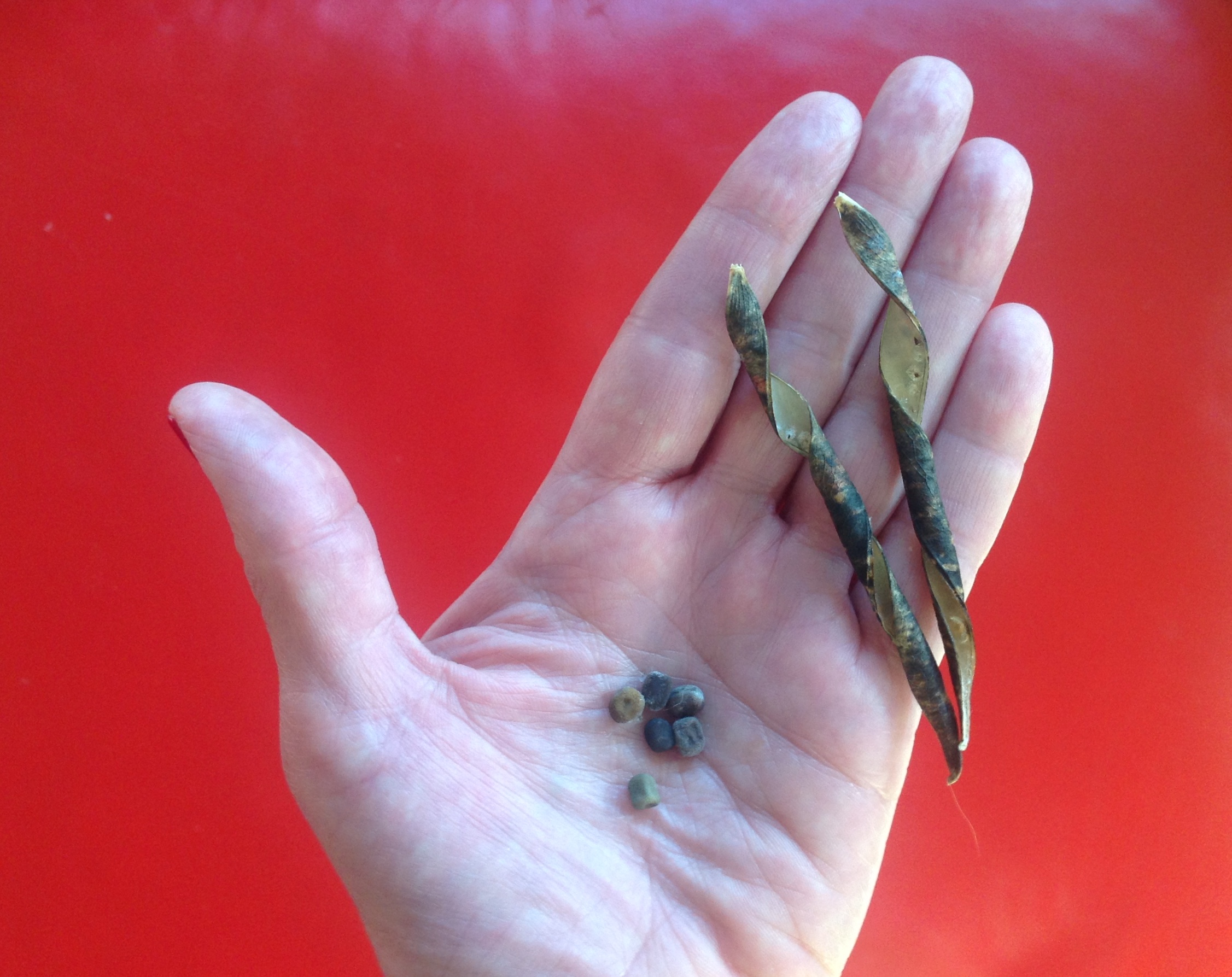
Wild Sweet Pea

Wild Sweet Pea

I’ve settled on the couch in our warm living room near the gas fireplace, a hot cup of tea beside me along with a fistful of reading.

There’s a sudden POP and I hear a sound like beads dancing on the hardwood floor.

This ghostly sound occurs in our house every November.

Just when the house falls silent and warm, a dramatic POP breaks the quiet. Continue reading

Posted in american indian, Indian, Native Science, science | Tagged , , , | Leave a comment

Embracing the Crow

Crows and ravens share their inheritance

Crows and ravens share their inheritance

In summer and fall mornings a flock of crows—a murder of crows—flies over our roof, headed north toward the Columbia River.

We reckon they’re flying toward food.

They shout at one another and sometimes a sentinel squats in a high branch blaring commands at the troops.

At dusk the murder returns south, cruising aloft, heading homeward. Continue reading

Posted in american indian, Indian, Native American Heritage Month, writing | Tagged , , , , , , , | 2 Comments

Who Deserves a Proper Burial?

Bones of Richard III uncovered in 2012

Bones of Richard III uncovered in 2012

My work discussing the bones of American Indians doesn’t spring from a morbid fascination with the dead.

Instead I am interested in the biopolitics about bones and how conversations emerge about human remains.

Biopolitics refers to the infusion of politics into biological and scientific decision-making.

I’m part of the crew of critics who argues that science is far from a value-free enterprise. Continue reading

Posted in american indian, native american, native press | Tagged , , | Leave a comment

Black Hawk’s Skull

Painting of Black Hawk by George Catlin, 1832

Painting of Black Hawk by George Catlin, 1832

Science is often deployed to meet political ends but we don’t always recognize when.

Phrenology emerged as a pseudo-scientific way to define race through empirical means.

Scientists used painstaking measurements to show how the landscape of the skull—its ridges and bumps—reveal personality characteristics.

Researchers collected not hundreds but thousands of skulls of indigenous peoples, comparing their crania to those of White Europeans.

The skull of the Sauk leader Black Hawk was featured in the 1838 issue of the American Phrenological Journal and Miscellany. A drawing of his head is matched to the qualities of what the skull allegedly reveals.

The author of the study described the Indian leader as intelligent and combative, superstitious and perceptive, based on the furrows on his cranium.

The article was published the same year Black Hawk died of natural causes. What I haven’t been able to confirm is whether he was alive at the time the phrenological drawing was made. Continue reading

Posted in american indian, authenticity, Black Hawk, framing, Indian, journalism, Native Science, phrenology, science, science communication, Uncategorized, writing | Tagged , , , , , | 2 Comments

All in Your Head

Black Hawk

Black Hawk

I’ve been exploring how science has affected policies and attitudes regarding American Indians.

We know that reservation life and boarding schools weighed heavily on Native peoples. Few, however, have spent time uncovering how science has been deployed to serve political ends.

The science of phrenology claimed that personality and intelligence could be measured by meticulous examination of a person’s head. Continue reading

Posted in american indian, authenticity, framing, Indian, journalism, Native Science, science, science communication, writing | Tagged , , , | Leave a comment

Science and Trust: What’s Rational?

A 1930s-era poster produced in the UK by the Eugenics Society

A 1930s-era poster produced in the UK by the Eugenics Society

The disenfranchised among us have a history of distrusting science.

Some scientists just don’t get it: how can you overlook evolution? Climate change? Diabetes?

Native Americans—and African-Americans and Hispanics—can point to specific examples when the mantle of science caused harm. Continue reading

Posted in american indian, authenticity, framing, Indian, journalism, Native Science, science, science communication, Uncategorized, writing | Tagged , , , , , | 5 Comments

Dammit, Jim, I’m a Doctor, Not a Scientist

LE TESTAMENT DU DOCTEUR CORDELIER [FR 1959]The refrain from the original Star Trek physician, Bones, has arisen like Lazarus from the mortuary of old TV shows.

But this time it’s politicians.

When asked their opinions of, say, climate change, politicians of late have demurred. “I’m not a scientist,” is the response.

Coral Davenport of The New York Times wrote recently the trend has snared Republicans politicians

One critic said the tactic is “dumb.” Continue reading

Posted in american indian, authenticity, framing, Indian, journalism, Native Science, science, science communication, writing | Tagged , , , , | Leave a comment

Tobacco Cure

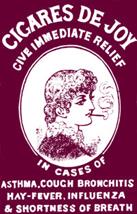
Indians use tobacco for ceremonial purposes while traders said it cured migraines and colds.

Indians use tobacco for ceremonial purposes while traders said it cured migraines and colds.

The question was innocent enough.

My beloved asked me where the expression, “Blowing smoke up your arse” comes from.

Thanks to the internet the answer came swiftly.

The story begins in Indian Country (as all stories do during Native American Heritage Month).

Tobacco, which is indigenous to the Americas, was used for ceremonial, social and spiritual purposes by Native peoples. Continue reading

Posted in Uncategorized | Tagged , , , | 1 Comment