Bring Back the Bones

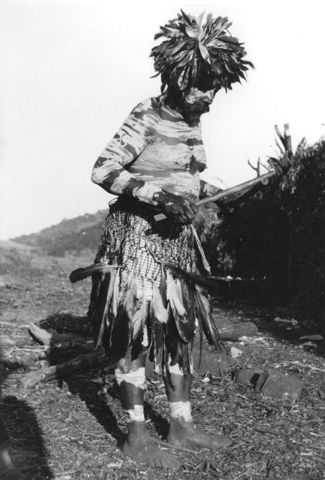
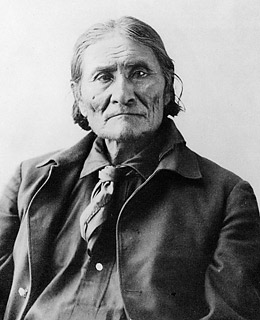
Geronimo's (Goyahkla) grave was robbed and his bones stolen

Geronimo’s (Goyahkla) grave was robbed and his bones stolen

November marks National Native American Heritage Month, and I pledge to write a blog a day.

Here’s the first.

Heritage Month was inaugurated in 1990 by President George H. W. Bush, the same year he signed NAGPRA.

While National Native American Heritage Month was designed to honor American Indians by sponsoring special events in schools and cities, NAGPRA legislation was intended to protect Indian remains and belongings. Continue reading

Posted in american indian, Geronimo, Indian, Indian relocation, Indian remains, manifest destiny, native american, native press, Native Science, Redskins, repatriation, rhetoric, writing | Tagged , | 2 Comments

When Science meets Faith


Musings on Native Science (by Cynthia-Lou Coleman)
https://nativescience.wordpress.com/

Posted in Uncategorized | Tagged , | Leave a comment

Reconciling Faith

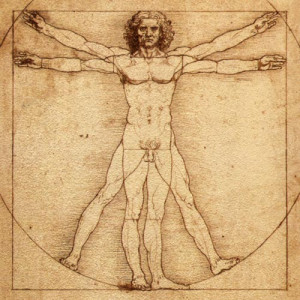
vitruvian-man-leonardo-da-vinciIs it true?

One of my students asked me if it’s true that American Indians don’t believe in the land bridge hypothesis.

The student is enrolled in a critical race theory class, taught by an American Indian scholar, who told the class the Bering Strait thesis is a “very sensitive” topic in Indian Country.

True that many Native creation stories emerge from a place—a place we call home. Continue reading

Posted in american indian, authenticity, ethics, human origin, Indian, Indian relocation, Indian remains, Kennewick Man, native american, native press, Native Science, Osage | Tagged , | Leave a comment

Why American Indians don’t have rights

Kumeyaay man

Kumeyaay man

The issue of “rights” in North America entered into conversation when I saw this week that—after 38 years—a judge ruled two ancient skeletons could be given to a California tribe for reburial.

Unlike Kennewick Man—which has yet to be returned—a judge decided the California remains should be restored under the Native American Graves Protection and Repatriation Act. Continue reading

Posted in american indian, authenticity, framing, Indian, Indian remains, journalism, NAGPRA, Native Science, science, science communication, SKeleton, Uncategorized, writing | Tagged , | 1 Comment

Choose the wide lens

Stand on your head

Stand on your head

Students will stand on their heads when they enter my class in three weeks.

I will be urging them to view communication through a wide lens.

Most of us find it more fun to examine life through the prism of individuals.

We love stories of heroes, from Geronimo to Wonder Woman. Continue reading

Posted in american indian, authenticity, framing, Indian, journalism, Native Science, science, science communication, writing | Tagged , , | Leave a comment

Because we have no government

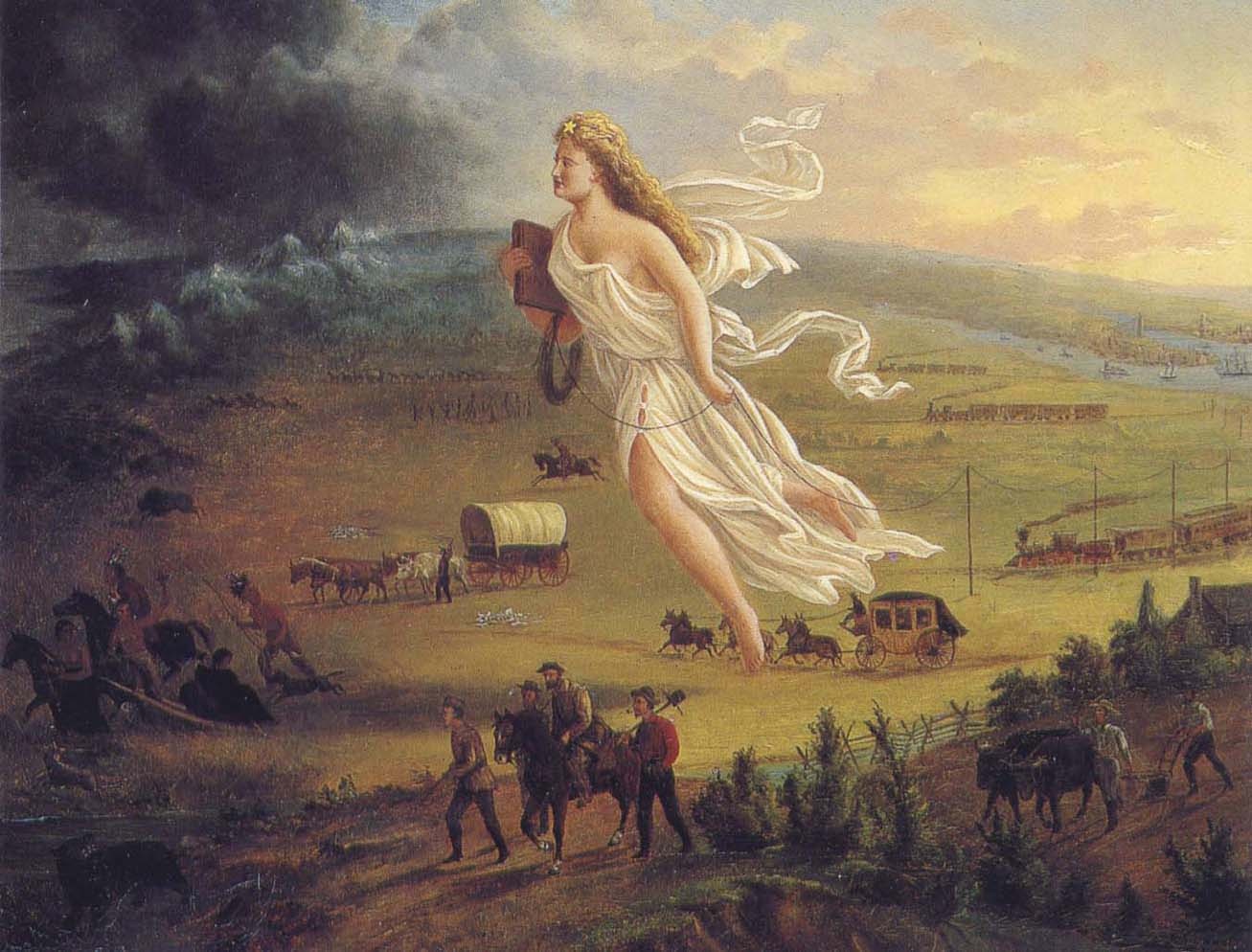
American Progress

American Progress

We spent last week visiting Maine, where a relative recently moved into assisted living.

My father-in-law combed through papers, photographs, trinkets, cabinets and boxes at our relative’s house, while neighbors sorted through memories to save and give away.

We found many treasured books–including first editions–that we tucked away for the journey home, now saved for the grandchildren–who found a treasure for me. Continue reading

Posted in american indian, framing, human origin, Indian, Indian relocation, manifest destiny, native american, native press, Native Science, propaganda, race, Redskins, repatriation, rhetoric, writing | Tagged , , | 2 Comments

Down to the bones

Continue reading

Posted in american indian, authenticity, framing, Indian, journalism, Native Science, science, science communication, Uncategorized, writing | Tagged , , | 1 Comment

Just 5 more minutes

traditional-clocksA news article on chronic tardiness struck a chord.

Seems that being late isn’t necessarily a character flaw.

Or passive-aggressive behavior. Continue reading

Posted in authenticity, framing, journalism, science, writing | Tagged | Leave a comment

You name it, you own it

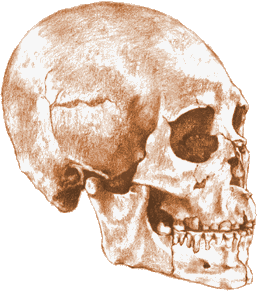
Does this look like an indigenous American?

Does this look like an indigenous American?

When a 9200-year-old skeleton was uncovered along the Columbia River in 1996 scientists and journalists dubbed the ancestor Kennewick Man.

Local tribes bristled at the naming, preferring to call the skeleton The Ancient One, or Oyt.pa.ma.na.tit.tite, according to scholar David Hurst Thomas.

Thomas says naming is critical: “The power to name reflects an underlying power to control lands, Indigenous people, and histories,” he writes. Continue reading

Posted in american indian, authenticity, framing, human origin, Indian, James Chatters, Kennewick Man, NAGPRA, Naia, native american, native press, Native Science, rhetoric, science, science communication | Tagged , , | 1 Comment

About face on Kennewick Man

skullTurns out American Indians were right all along.

A bitter conflict of values, race, sovereignty and politics began two decades ago when a pair of Washington State college students unearthed a skeleton in the Columbia River.

Local Indian tribes wanted the skeleton—which was more than 9,000 years old—returned to the native community as required by federal laws that protect Indian remains and objects. Continue reading

Posted in american indian, authenticity, human origin, Indian, Kennewick Man, NAGPRA, native american, native press, Native Science, race, science, science communication | Tagged , , , | Leave a comment