Write a poem a day


poetry-sm

Thirty poems in 30 days?

Our local Buddhist community invites folks to write a poem each day, from the start of April to the finish.

Sounds like a sweet challenge: can I write a poem a day? Can you?

I’m pretty sure the Zen community thinks of this activity as something that will encourage your creativity and increase thoughtfulness. Continue reading

Posted in american indian, communication, native american, native press, Native Science, poetry | Tagged | Leave a comment

Journalism: Lies? Truths? Ethics?

Ruling in the Hulk Hogan Case

Greco

This week we learned that a jury awarded Hulk Hogan $115 million (US) because an online source posted a salacious video of Hogan having sex.

The video was posted allegedly without Hogan’s knowledge or permission and, according to the New York Times, a jury in Florida agreed the action was “an invasion of privacy” on the part of Gawker.com, which offered its viewers the video’s viewing.

What exactly is Gawker.com?

When I searched for Gawker on my online browser this is what I found:

Gawker: Today’s gossip is tomorrow’s news.

I also found that “Gawker believes that publicly airing rumors out is usually the quickest way to get to the truth.”

Honestly: I doubt gossip is a way to truth.

Indeed, the code of ethics of journalists is to seek truth, according to the Society of Professional Journalists.

So: if the video is truthful, then what’s the problem? Why might a jury award millions of dollars in damages? Continue reading

Posted in american indian, authenticity, censorship, journalism, native press, Native Science, writing | Tagged , , , | 1 Comment

Oscar’s Platform for Politics  


oscar

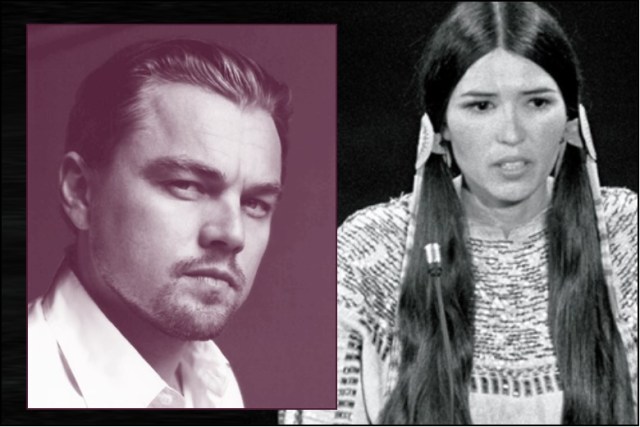
Sacheen Littlefeather at the 1973 Oscars and Leonardo DiCaprio (inset)

DiCaprio’s Plea for Indigenous Acknowledgement Gets Buried

Leonardo DiCaprio’s acceptance speech for Best Actor at Sunday’s Academy Awards ceremony turned into a Rorschach test for viewers: you heard what you wanted to hear.

After thanking The Revenant team, DiCaprio focused on climate change. He told 34.3 million viewers—that’s nearly one out of every three households—that “climate change is real; it is happening right now.” Continue reading

Posted in american indian, Climate change, native american, native press, Native Science, propaganda, race | Tagged , , | Leave a comment

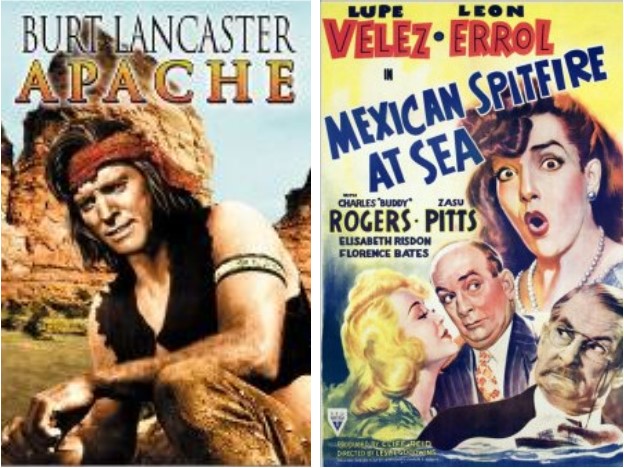
Entertainment’s Whitewash

movies

But not so invisible 

The crowd cheered when the speaker slammed the entertainment industry, charging that, when Americans tune into television, they see a “virtual whitewash in programming.”

The timing was perfect: lack of diversity in entertainment programs was high on the social agenda—too few people of color, scant women CEOs, almost no LGBT characters and an abundance of white, middle-aged professional men described films and television.

The speaker was the President of the NAACP, decrying entertainment programs “That make us invisible.”

But this isn’t today’s headlines.

The year is 1999 and the speaker is Kweisi Mfume, making headlines at the annual convention of the National Association for the Advancement of Colored People—17 years ago. Continue reading

Posted in american indian, authenticity, cinema, communication, film, framing, Indian, mascots, native american, native press, Native Science, Redskins | Tagged | Leave a comment

Landmark Judgment Returns Bones to Tribes

skeleton brown

Ancient skeletons to be returned

California Kumeyaay Win the Dispute 

The US Supreme Court has declined to weigh in on a lower court ruling that will, in effect, allow ancient bones to be returned to American Indians in California.

The judgment means a landmark legal decision recognizes the authority of Native tribes to assume control over ancestors and artifacts, despite claims by scientists that returning the 9,000 year-old bones to the tribes is a “tragedy and a disgrace.”

The case at hand involves two skeletons—a woman and a man—discovered on state property in San Diego in 1976. Since then, the bones had been the subject of empirical study until local tribes requested the bones be returned.

Science writer Carl Zimmer notes that tribes went to court in 2006 to have the skeletons returned. Continue reading

Posted in american indian, authenticity, ethics, Indian remains, NAGPRA, native press, Native Science | Tagged , , , , , | Leave a comment

Politics, Trump and the Black Swan

Insanity Diagnosis

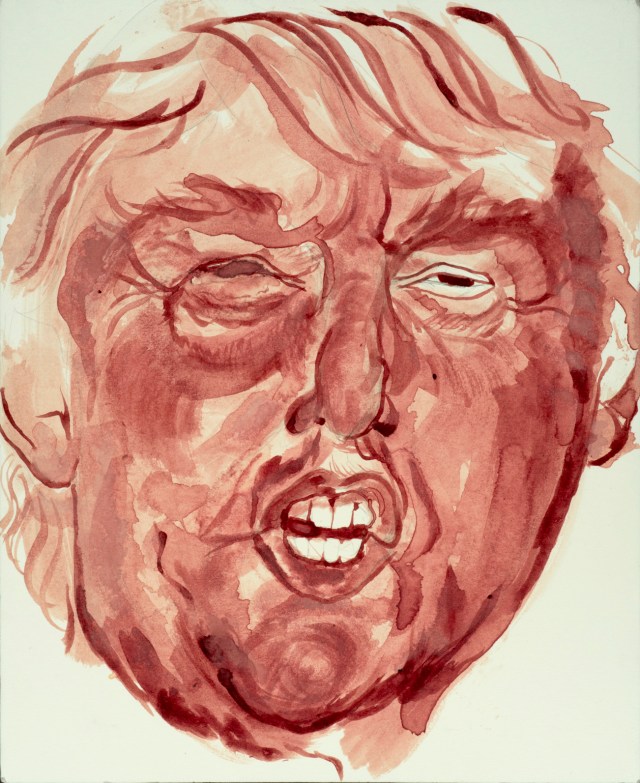
bloody-trump-real-color

Bloody Trump Painting by Sarah Levy

Politics, Trump and the Black Swan

I wrote recently about how the metaphor of The Black Swan—not the film but the metaphor in decision-making—describes how random events rivet our attention.

Writer and scholar N. N. Taleb notes The Black Swan describes a rare and extraordinary event or individual that gains momentum in news, politics and behavior.

The terrorist attacks on US soil in 2011, the rise of Adolf Hitler, and the rare hatching of a black swan are examples of unexpected phenomena that have profound effects on how we respond as citizens, and how we make decisions—lay-folk and law-makers alike.

Today’s political scene sets the stage for The Black Swan metaphor, judging from the vast coverage in mainstream press, television news, Twitter and Facebook squibs.

Donald Trump is the modern-day Black Swan: like voyeurs witnessing a train-wreck, we can’t turn away.

Continue reading

Posted in american indian | Leave a comment

Zika Virus: The New Black Swan

Penny Wise, Pound Foolish

mosquito

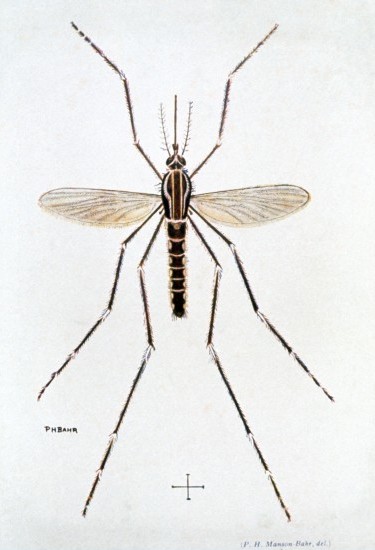
A new fever is helping us examine how human foibles frame our behavior.

I’ve just read about The Black Swan—not the film—but the rare event that startles us and captures our attention.

Like a car-wreck, our gaze is glued to The Black Swan—a random phenomenon, says N. N. Taleb, who wrote the best-seller, The Black Swan: The Impact of the Highly Improbable.

Rare occurrences not only engage us: they can reframe our perspectives and alter our behaviors. Continue reading

Posted in american indian | Leave a comment

The Oregon Stand-off: Where are the Indians?

piaute from amertribes

Paiute family

A lesson in ideological framing

When news of an armed stand-off at a wildlife refuge in Malheur County broke, I tried to wrap my brain around the event unfolding in my home state.

What did the protesters want?

I’m wary of how conflicts are framed in print and broadcast media—as are folks who have asked on Twitter: would the police response be different if the protesters were Black? Muslim?

How about American Indians? Continue reading

Posted in american indian, authenticity, framing, Indian, journalism, native american, Native Science, Paiute, writing | Tagged , , , , , | 10 Comments

Clooney’ s cash cow

image

Coffee salesman Clooney

Still: it’s about the money

Amsterdam still has the feel of a sweet, old city.

Nice, when you consider the commercial ubiquity of traveling to foreign lands.

If you travel to Rome you can chomp chicken at KFC and if you stay in Hong Kong you can buy a Coke at 7-11.

Here in Amsterdam–a city resplendent with canals and crumbling churches–you can find a Subway sandwich shop while walking down an ancient street or spy an American Apparel store on the upscale West side.

Fortunately the old-city feel survives the onslaught of Americana, with one exception. Continue reading

Posted in advertising, authenticity, Bob Garfeild, Bob Garfield, framing, George Clooneu, George Clooney, Johnny Depp, overseas advertising celebrity, writing | Tagged , , , | 1 Comment

Does Trump Coverage Matter?

trump pic

Are you following national politics?

Then I invite you to think about the news coverage of Donald Trump from 2 perspectives.

First: think of your gut feelings. Second, think of the empirical evidence.

Ready? Let’s begin.

Trump receives a boatload of news coverage.

And, amazingly enough, this is despite the fact that several reporters have promised to disengage from coverage of Trump.

Yet, coverage persists. Continue reading

Posted in american indian, communication, framing, journalism, native press, Native Science, writing | Tagged , , , , , , , , , , | 3 Comments