How you can contribute to Native American History Month

The painter Jean Leon Gerome Ferris (1863–1930) created several paintings in his series called The Pageant of a Nation, including The First Thanksgiving. Historians call the series romanticized. For example, setting depicted and clothing worn by settlers and the Wampanoag isn’t accurate.

The painter Jean Leon Gerome Ferris (1863–1930) created several paintings in his series called The Pageant of a Nation, including The First Thanksgiving. Historians call the series romanticized. For example, the setting depicted and clothing worn by settlers and the Wampanoag aren’t accurate.

I started my tradition of posting a blog each day, each November, in honor of Native American History Month.

The first worry stems from any writing challenge: what if I run out of things to say?

I take my cue from Suzan Lori Parks, a celebrated American writer and Pulitzer Prize-winning playwright.

At her talk in Portland, Parks urged writers to take on the challenge of crafting a poem, a play or a story each day for a month. Or a year.

I discovered I don’t run out of things to say if I view each day through a Native American lens. Continue reading

Posted in american indian, framing, Thanksgiving | Tagged , , | Leave a comment

Indigenous voices needed

A member of the indigenous Yanomami

A member of the indigenous Yanomami

One effect of increased interest in climate change is that many scientists and policy-makers want to hear from indigenous peoples.

While native folk have been delegitimized historically as unscientific and irrational, today’s movers-and-shakers welcome hearing indigenous voices.

One compelling reason is that the Yup’ik and Navajo of North America, the Ogiek and the Mun of Africa, the Wichi and the Yanomami of South America, and the Sami of Finland have witnessed environmental change first-hand.

For indigenous people, environmental effects are personal. Continue reading

Posted in american indian, authenticity, Climate change, framing, Indian, journalism, science, science communication, writing | Tagged , , , , , | Leave a comment

Let’s start from the beginning: Indigenous voices in climate change

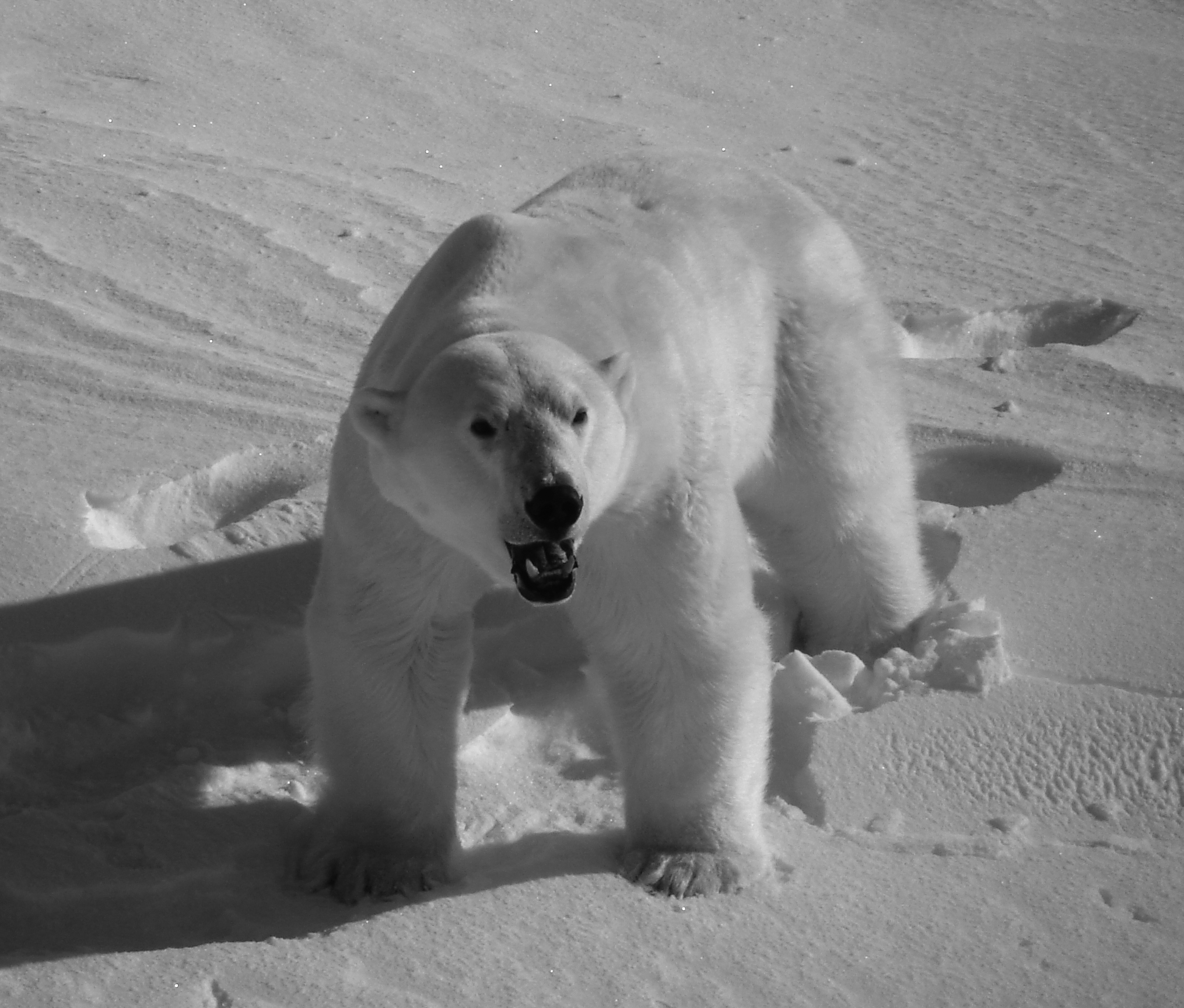
Polar bear habitat has been affected by warming trends

Polar bear habitat has been affected by warming trends

Perhaps we need to take a step back and re-think what we mean by climate change.

And global warming.

Let’s start with the row about science.

After many fits and starts, science is finally being heeded in public discourse.

In other words, anyone disputing the reality of global warming is painted as irrational, trading opinion over science. Continue reading

Posted in american indian, authenticity, Climate change, framing, global warming, Indian, Native Science, science, science communication | Tagged , , , , , , | Leave a comment

I didn’t get the email

Ninety years will get you rocks

Ninety years will get you rocks

I completely missed out on some Yankee traditions.

The culture of weddings and anniversaries, for example, escaped me entirely.

One evening we were having dinner with friends, and I complimented our guest on her ring.

She received it from her husband as an anniversary gift. A third ring: she already wears an engagement ring and a wedding ring.

She explained it was a tradition. I’ve never heard of this tradition.

She then ticked off each year of marriage and the associated gift:

Paper
Cotton
Leather
Fruit
Flowers
Wood
Candy…

The list continues.

If you are married 90 years you get … granite.

You can locate the anniversary gift chart on the Hallmark website—an unsurprising finding. Continue reading

Posted in american indian, authenticity, framing, Indian, journalism, Native Science, science, science communication, writing | Tagged , , | Leave a comment

Every Month is Native American Heritage Month

Ideas about a pure race decimated indigenous peoples

Ideas about a pure race decimated indigenous peoples

Some critics rail against ersatz holidays.

Grandparents’ Day.

Valentine’s Day.

Labor Day.

They argue we should recognize grandparents, lovers and laborers every day.

Native American Heritage Month produces cognitive dissonance: it’s great to focus attention on American Indians, but the attention should never subside. Continue reading

Posted in american indian, authenticity, framing, Indian, Native American Heritage Month, Native Science, science, science communication, writing | Tagged , , , , , , , , | Leave a comment

Indians: We’re All the Same

Kokopelli is used relentlessly as a synecdoche of Native American-ness

Kokopelli is used relentlessly as a synecdoche of Native American-ness

The thing about stereotypes is they corral our thinking into one cluster.

Result?

All Indians get lumped together.

For example, I was scouting the internet for an image for my blog and found this quotation:

Certain things catch your eye,
But only pursue those that
Capture the heart
~ Ancient Indian Proverb

While it’s a lovely sentiment—follow your heart—there is no such thing as an “ancient Indian proverb.”

Why? Continue reading

Posted in american indian, authenticity, framing, Indian, journalism, Native Science, writing | Tagged , , , , , | Leave a comment

What Does Social Justice Mean?

How do we think and act on social justice?

How do we think and act on social justice?

Social justice is like the word beauty: We think we know what it means, but how do you define it? Feel it? Measure it?

Today we use the term social justice differently from its earliest permutation.

Typically we think of social justice as responses to repair injustices. For American Indians, social justice might refer to repatriation of bones and artifacts, recognition of tribal autonomy, and redistribution of wealth. Continue reading

Posted in Indian, Native Science, science, social justice | Tagged , , , , | Leave a comment

Handsome Warrior Rescues White Captive

Cassie Edward's novel on Indian romance

Cassie Edwards’ novel on Indian romance

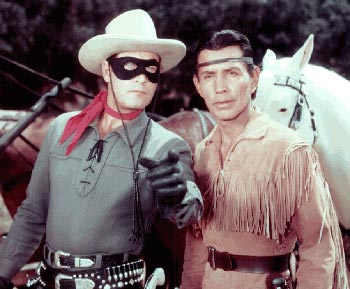
While we chip away at the topic of stereotypes, you should know the brave, stoic warrior still lives.

At least in paperback. Continue reading

Posted in american indian, authenticity, framing, Indian, Native American Heritage Month, Native Science, science, writing | Tagged , , , | 1 Comment

Stoic Indian

The stoic Indian

The stoic Indian

The stereotype of stoicism among Native Americans has carried far and wide, although its relationship to real life is a thin one.

The Stoics (with a capital S) were Greek philosophers known for their austerity, according to the Oxford English Dictionary.

It gets better.

Being stoic means someone who “practices repression of emotion, indifference to pleasure or pain, and patient endurance,” says the OED. Continue reading

Posted in american indian, authenticity, Indian, Native American Heritage Month | 2 Comments

Is Nothing Sacred?

1491sLogoWebsite4

Spend an evening with the 1491s and you will think nothing is sacred.

The troupe of American Indian actors, artists, improvisers and clowns poke fun at tradition while simultaneously stripping away stereotypes aimed at indigenous peoples, including the stereotypes held tightly by Natives ourselves.

The 1491s shine a spotlight on Indian hunters, Indian diet, Indian stoicism and sacred practices.

The troupe journeyed to Portland this week to unleash their critiques through skits and videos. Continue reading

Posted in american indian, authenticity, Indian, native american, Native American Heritage Month, native press, Native Science, writing | Tagged , , , , , , , , , | Leave a comment