
Synecdoche Moms

lad peg
Remember the Mom Jeans fauxmercial on Saturday Night Live?

In case you missed it, the clip shows a clutch of women wearing elastic-waisted blue jeans necessary for the woman who needs some give in her tummy and derriere.

The poochy jeans are “cut generously for today’s mom.”

The commercial pokes gentle fun at the “soccer mom” in her suburban milieu, flanked by kids and hubby.

From a framing and linguistic view, the word “mom” has become a synecdoche of women with children.

Mom now means “all moms.” Continue reading

Posted in american indian, framing, journalism, writing | Tagged , , , | 1 Comment

Pie Five Days

turkey

We started a new tradition in November.

I call it Pie Five Days.

My symbol for Pie Five Days is an open hand: the symbol Osages use to adorn clothing and blankets, and the same symbol school children use to silhouette a turkey—they trace their open hand with a crayon—the thumb becomes the turkey’s head while the fingers transform into feathers.

Now the symbol refers to the five days of pie. In Cindylouland, at least. Continue reading

Posted in american indian, Indian, journalism, native american, Native American Heritage Month, native press, Native Science, Osage, Thanksgiving | Tagged , , , , , | Leave a comment

The Grass Dancer

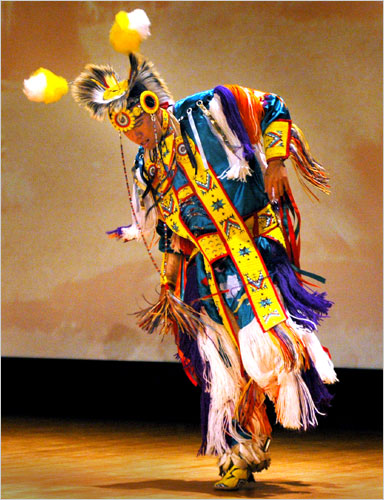
Wylie Bearstail performs a traditional grass dance at the National Museum of the American Indian (Photo by Ken White)

Wylie Bearstail performs a traditional grass dance at the National Museum of the American Indian (Photo by Ken White)


I love the book, The Grass Dancer.

Each story in the book kidnaps you on a journey through Indian Country, crossing over metaphysical and spiritual boundaries.

The book won the coveted PEN-Hemingway Award for Best First Fiction.

The author, Susan Power, is enrolled with the Standing Rock Sioux, and writes with an effortless and fluid style. I couldn’t put down the book once I started it. Continue reading

Posted in american indian, authenticity, Indian, journalism, writing | Tagged , , , | Leave a comment

Learning from Ferguson, Part II

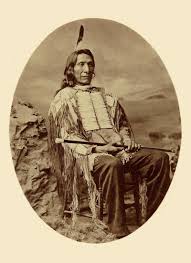
Although Red Cloud signed the peace-making Fort Laramie Treaty, he decried reservation life that ensued

Although Red Cloud signed the peace-making Fort Laramie Treaty, he decried reservation life that ensued

Structural issues—poverty, education, advancement opportunities and health disparities—affect communities in significant ways.

Some of the larger issues are being tackled right now, in part because of the turmoil in Ferguson, Missouri.

Fortunately some reporters, critics, pundits and politicians are paying attention to the more macrosocial effects on communities.

We can’t just blame the current social unrest on one police officer for one act of violence. Continue reading

Posted in american indian, authenticity, framing, Indian, journalism, writing | Tagged , , , , , , , , | Leave a comment

Learning from Ferguson, Part I

How do racialized differences affect us?

How do racialized differences affect us?


One important lesson we can learn from the anger and violence waged lately in Ferguson, Missouri, is how we look at core problems.

My pledge this November has been to write 30 blogs about issues through the lens of American Indian worldviews in honor of Native American Heritage Month.

Before looking at how the Ferguson case illuminates American Indian issues, I want to deconstruct the news stories and link them to social issues.

At an individual level, we see from the news that in August this year, a young man, thought to be involved in mischief at a convenience store, was killed by a police officer. Continue reading

Posted in authenticity, framing, Indian, journalism, writing | Tagged , , , , , | Leave a comment

When headlines lie

???????????????????????????????????

The mainstream headlines are disquieting:

Britain’s Telegraph:
Seals helped Europeans wipe out Native Americans

eScience:
Sea lions, not Columbus, may be to blame for many Native American tuberculosis deaths

Yahoo News:
Seals not Columbus brought TB to Americas

Examiner.com
Seals, not the Santa Maria, first brought tuberculosis to America

To find the real story, you need to search beyond headlines. Continue reading

Posted in american indian, authenticity, framing, Indian, journalism, Native Science, science, science communication, writing | Tagged , , , , , , , , , | Leave a comment

Magazine takes Redskins to task

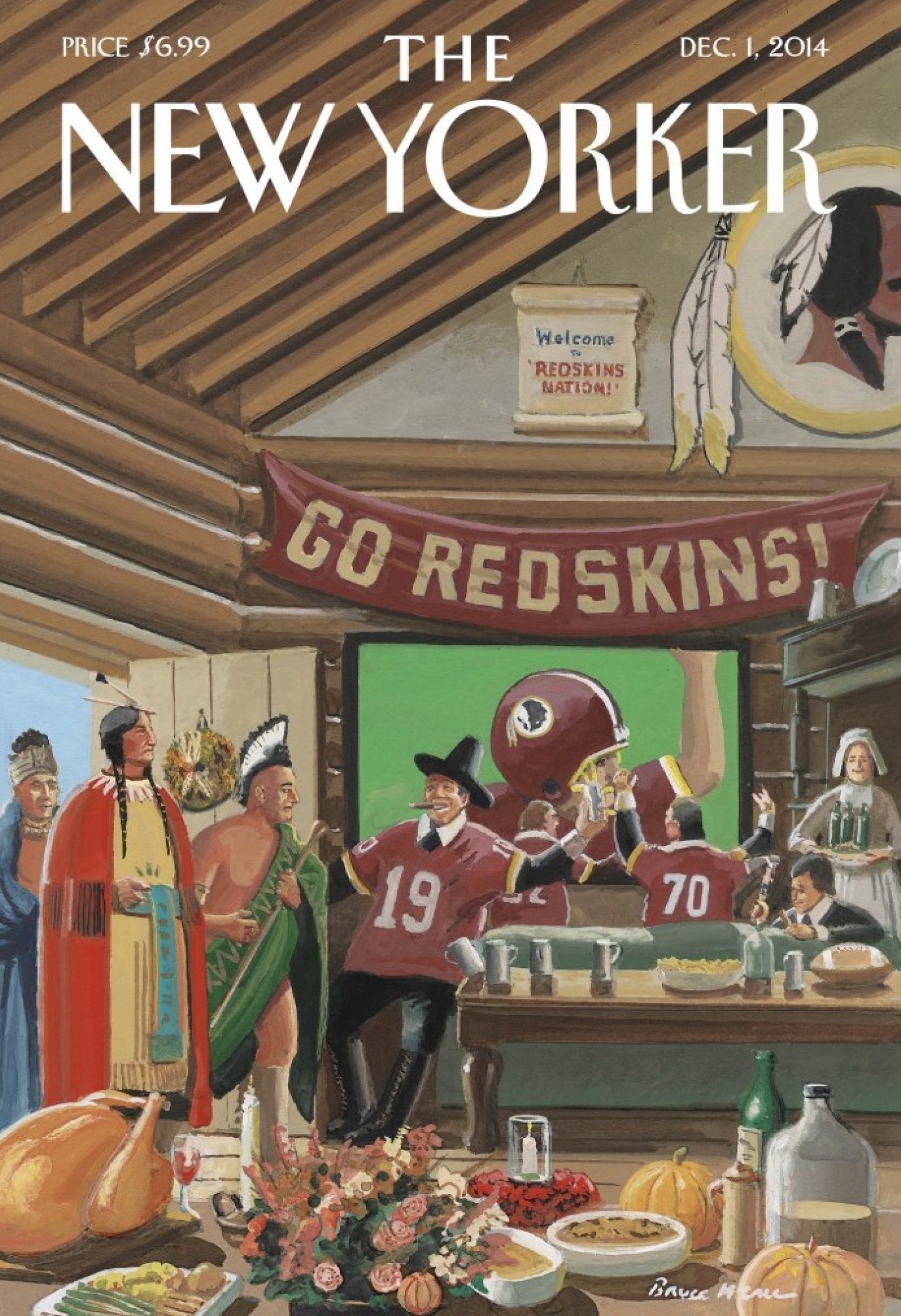
The current New Yorker cover by Bruce McCall

The current New Yorker cover by Bruce McCall

The New Yorker magazine’s latest issue hit subscribers and newsstands this week with a cover that takes the Redskins football team to task.

Titled, First Thanksgiving, the cover—a painting by Bruce McCall—shows a trio of Native Americans arriving at a feast.

Some of their hosts are wearing Redskins t-shirts over the black-and-white vestments we’ve come to associate with pilgrims. Continue reading

Posted in american indian, authenticity, Indian, journalism, science, writing | Tagged , , , , | 5 Comments

Thanksgiving: what’s the point?

Photo of Civil War soldiers from the National Archives, attributed to Mathew Brady

Photo of Civil War soldiers from the National Archives, attributed to Mathew Brady


Sometimes folks who know my Osage and Sioux ancestry ask if we celebrate Thanksgiving.

Sure, I say.

My family, my mother’s family, her mother’s family—all through the generations—have shared supper with friends and relatives, thanking the creator for the harvest bounty.

All communities have a tradition of sharing food and buttoning up the season.

Thanksgiving wasn’t foisted on American Indians: we’ve always honored the beings and spirits that sustain us. Continue reading

Posted in american indian, framing, Indian, Native Science, writing | Tagged , , , , , , , | 1 Comment

Make way for the athlete tyospiye

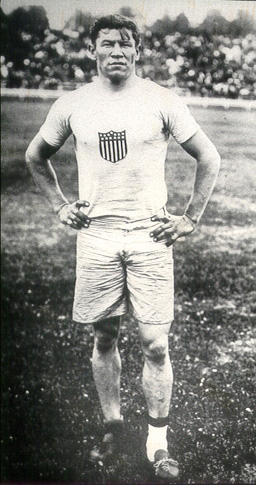
Jim Thorpe took home gold in the 1912 Olympics

Jim Thorpe took home gold in the 1912 Olympics

I have to admit I love Indian athletes.

I grew up with stories of Jim Thorpe, Billy Mills and John Barnes.

My family would talk about Indian athletes as kin.

Jim Thorpe (Wa-Tho-Huk) seemed to excel at every sport he tried: football, basketball, running and long-jump.

Thorpe won gold medals in the 1912 Olympics in Stockholm for the tough pentathlon (long jump, javelin, discus, 200 meter and 1,500 meter) and the grueling decathlon events (called decathlon for the 10 events: 100 meters, long jump, shot put, high jump, 400 meters, discus, 110 meter-hurdles, pole vault, javelin throw and 1500-meters).

A member of the Sauk nation, Thorpe was considered one of the world’s greatest athletes. Continue reading

Posted in authenticity, Indian, journalism | Tagged , , , , , , | 2 Comments

Sounds like Ethel Merman

Annie Oakley symbolized by Ethel Merman
Just like the song says, I can’t bake a pie.

You have to love Ethel Merman in Annie Get Your Gun, singing her heart out.

The competition between sharpshooter Annie Oakley (Merman) and marksman Frank Butler (Howard Keel) rolls out in the song, Anything you can do I can do better.

Each claims to better the other. Continue reading

Posted in american indian, authenticity, framing, Indian, Native Science | Tagged , , , , , | Leave a comment